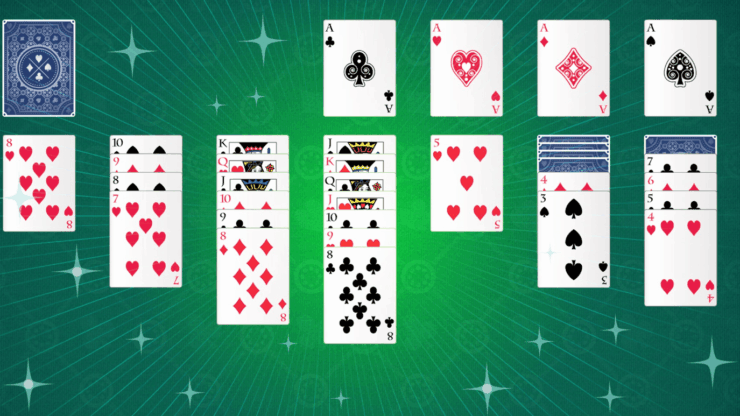

Solitaire has been a quiet companion to digital life since the early days of home computing. Its rules are simple, its pace is gentle, and its appeal is timeless. For decades, solitaire stood as a digital default, quietly offering mental stimulation and personal entertainment. But the landscape around it has shifted dramatically. What began as a game bundled into desktop operating systems has evolved into a sophisticated genre of mobile apps, reaching players on phones, tablets, and browsers around the world.
Its journey mirrors the broader changes in digital behavior. Solitaire once served as a pastime for those tethered to desktops and long download speeds. Today, it’s a portable, always-available tool for focus, relaxation, or a quick mental reset. This shift didn’t happen overnight. It followed the rise of app culture, mobile-first design, and the growing recognition that casual games could support well-being in more ways than expected.
From Static Screens to Portable Play
When solitaire made its digital debut on early personal computers, it wasn’t intended to become a global staple. It was introduced as a quiet, unobtrusive way to teach users how to operate a mouse and practice drag-and-drop motions. Still, its low barrier to entry and satisfying gameplay quickly turned it into more than a tutorial. For many, solitaire became their first digital game and a personal ritual during long hours at the office or home.

The earliest versions lived exclusively on desktops, often without internet connectivity. That isolation worked in the game’s favor. Without leaderboards, timers, or multiplayer pressure, solitaire was a purely personal experience. It provided a moment of quiet control in an otherwise rigid digital environment. Its offline nature made it accessible anywhere, at any time, even in the absence of software updates or new hardware.
As computing advanced, solitaire remained consistent. It didn’t need major updates. The simplicity of the game made it universally compatible and broadly appealing. But the transition from static, standalone systems to interconnected devices eventually prompted a new form of solitaire one that embraced mobile ecosystems without abandoning the core of what made the original game so enduring.
The Mobile Shift and App Store Boom
The rise of smartphones and app stores changed how users interacted with games. Portability became the priority, and solitaire adapted. Developers saw the potential in offering familiar gameplay within newly optimized environments. Touchscreens made dragging and flipping cards even more intuitive than mouse input ever had. Responsive design allowed solitaire to adapt to vertical screens, improving comfort and accessibility.
This shift brought solitaire into a new age. App developers reimagined it with fresh themes, customizable cards, ambient background music, and smoother animations. What once came in a single, standard format now existed in hundreds of variations, each with unique visual styles and game modes. Yet the gameplay remained fundamentally unchanged. The game didn’t need to evolve at its core; it simply needed to fit the new rhythm of mobile life.
Modern solitaire apps also embraced convenience. Autosave features allowed players to pick up where they left off. Cloud syncing made the game available across multiple devices. Offline play was preserved, but optional features like daily challenges and timed modes were added for those who wanted a different layer of engagement. The best implementations respected the original experience while offering enhancements that didn’t intrude on its peaceful simplicity.
Incorporating solitaire into mobile devices wasn’t just a matter of design. It reflected a deeper change in how people used their time. Instead of treating the game as filler or distraction, many began integrating it into their routines intentionally. It became a way to focus, to rest, or to take a quick mental break. The app version made it easier to access during commutes, in waiting rooms, or between meetings transforming it from something passive into something purposeful.
Solitaire in the Era of Personal Wellness
As digital culture continued to grow more chaotic, solitaire found its place not by shouting louder, but by remaining quiet. In a world filled with constant notifications, infinite scrolls, and attention-grabbing algorithms, solitaire stood apart. It didn’t demand social interaction. It didn’t track user behavior for marketing purposes. It didn’t pressure anyone to perform. That calmness became its most valued trait.
Online solitaire apps began appearing in spaces traditionally not associated with gaming. Wellness platforms, mindfulness apps, and productivity tools started to acknowledge the benefits of casual play. Solitaire wasn’t viewed as a waste of time, but as a short, restorative exercise. Professionals used it between tasks to reset focus. Students played it to pause between assignments. Retirees used it to stay mentally sharp. Its ability to create order from randomness made it feel both satisfying and soothing.
The game’s continued evolution also expanded to browser-based versions, allowing users to access solitaire without downloads or app stores. These versions maintained simplicity while offering subtle, modern touches clean interfaces, fast loading times, and minimal distractions. For people who prefer not to install more apps or manage updates, web-based solitaire kept things lightweight and accessible.
The enduring appeal of solitaire isn’t nostalgia alone. It’s about offering something reliable in a digital environment that’s constantly changing. Its presence across devices and platforms is proof of its adaptability, but also of its deep-rooted value. Solitaire doesn’t chase trends it holds space.
A Game That Adapts Without Compromise
While trends in gaming often revolve around novelty, spectacle, and rapid consumption, solitaire’s strength has always been its steadiness. Its evolution didn’t require flashy graphics or high scores. It moved from desktop to mobile and beyond by staying true to its essence. The transitions in its format weren’t about reinvention. They were about fitting into new routines, devices, and states of mind.
As solitaire continues to evolve within online spaces, its purpose remains grounded. It offers structure without pressure, interaction without overload, and entertainment without chaos. Whether played during a five-minute pause or a quiet evening hour, the game brings with it a sense of rhythm and calm.
The journey from its early desktop roots to modern online solitaire apps highlights a rare kind of digital resilience. It’s not often that a game with such simplicity remains relevant for so long, across so many platforms. But solitaire isn’t just a game it’s a tool, a habit, a quiet corner of the digital world that asks for nothing more than your focus, and gives back a brief, welcome stillness in return.